Monumental Monuments

September 19, 2018

I think back to days gone by, specifically those early, formative years guiding raft and fishing trips on the Snake River through Grand Teton National Park in Wyoming. What great country that is, and was, for me. Needing to know a bit of the area's history I learned that Grand Teton National Park had been initially, almost a half century before I arrived on the scene, a National Monument, declared so by the president in 1929 by way of the Antiquities Act of 1906. That act allowed the president to set aside "land to be protected as important historic, cultural, and ecological sites without the approval of congress." There's some fine print added to the original Antiquities Act and some of that has been the subject of modern day interpretation and discussion. Nevertheless, to this day, the president of the United States is allowed to set aside land or water that he deems is needing of protection. In recent history, George Bush, Bill Clinton, and Barack Obama all added numerous monument status to lands and water that were deemed in need of increased protection as National Monuments. Specifically, in 2016, during his last year in the White House, Barack Obama set aside the Bears Ears country in Utah, more than 1.3 million acres of land as a national monument. Then the fun started.


During President Trumps first year in office he directed the Secretary of Interior, Ryan Zinke, to review some of the existing monuments with an eye toward reducing the sizes of many of which he felt were not being used in a manner consistent with the original intent of the Antiquities Act of 1906. The 1.3 million acre Bear Ears National Monument along with the 1.6 million acre Grand Staircase- Escalante National Monument have taken center stage following the review and may very well be in the process for severe reduction in size in the year ahead. The Bears Ears is projected to go from the 1.3 million acres down to 120,000. That's quite a change! A drastic reduction in acreage is also planned for the Grand Staircase- Escalante as well. Needless to say, in many quarters, and most certainly among every environmental organization known to man, there has been a loud outcry of opposition to the administrations actions. "America's conservation legacy defines us and is the envy of the world. Today is a dark day for that legacy. "Teddy Roosevelt is shaking his fists. Undermining one of our bedrock conservation laws and selling out to industry flies in the face of T.R., who president Trump said he wanted to emulate." Oh boy!


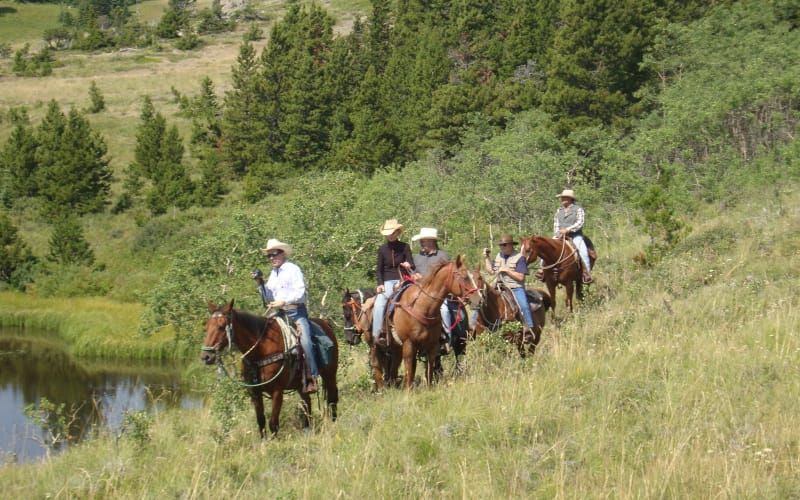
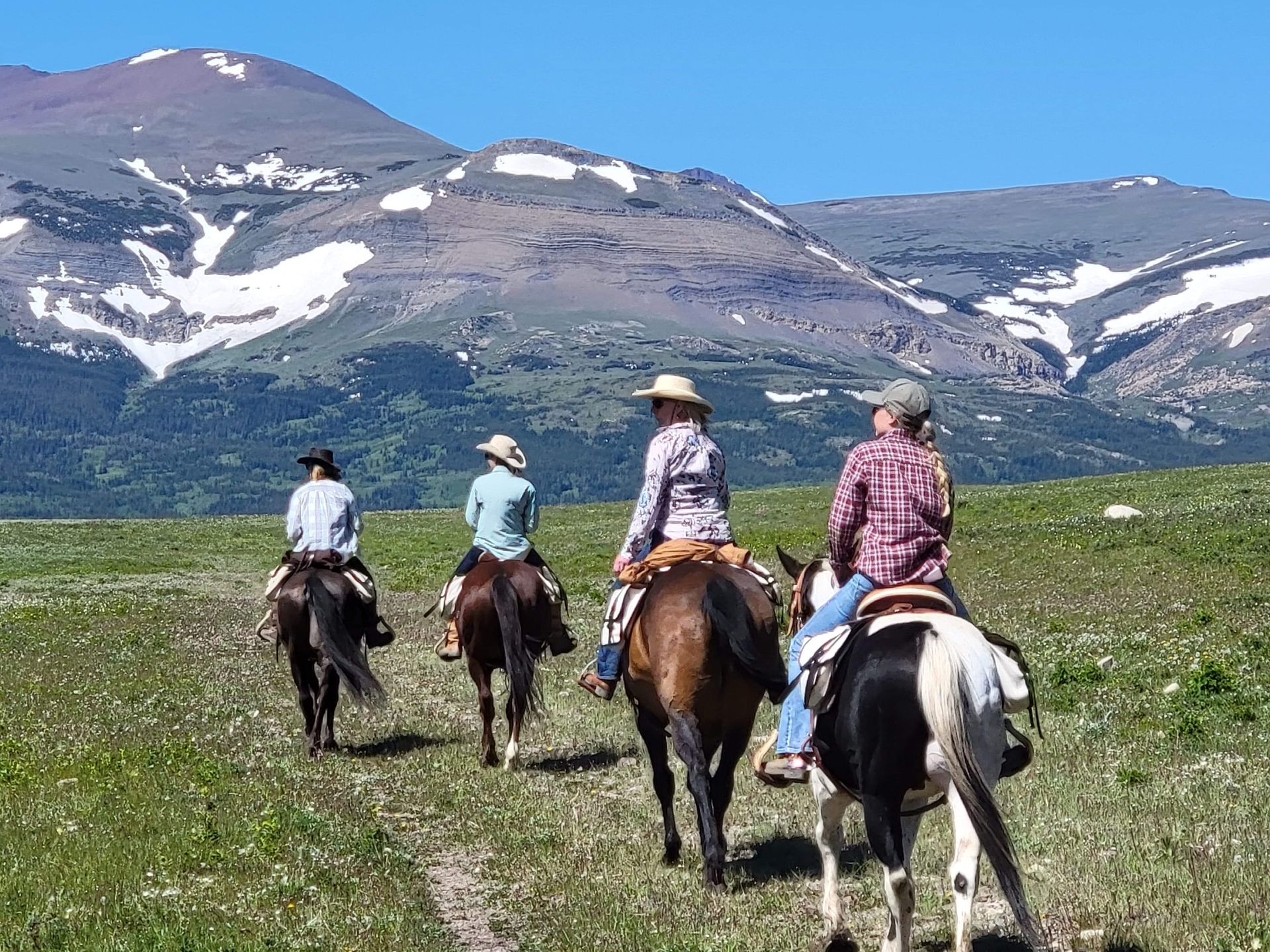
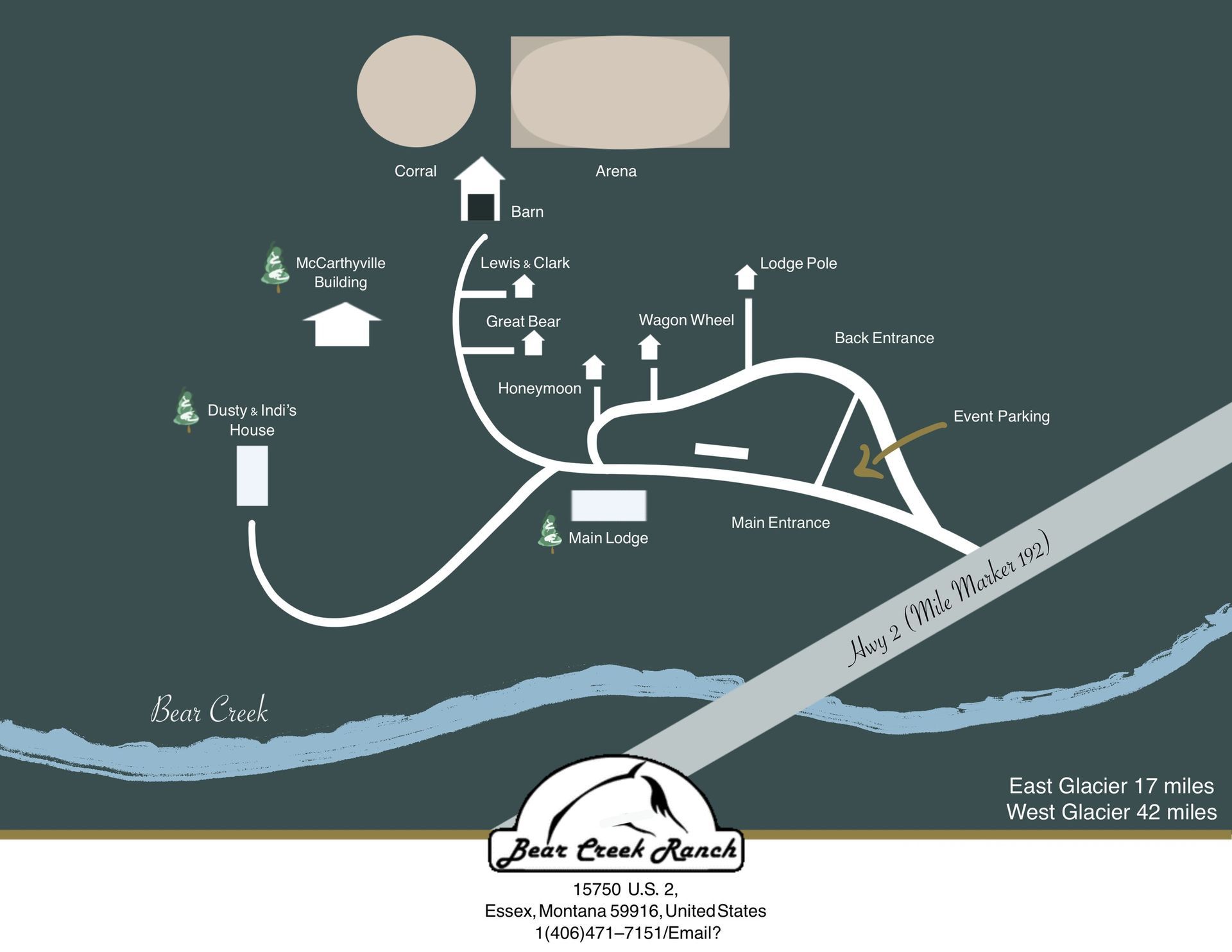
And here's where it gets interesting. Ironically, or coincidentally, I'm not sure which, while at the same time taking aim at the two monuments in question, Secretary Zinke proposes that the Badger Two Medicine country of northern Montana become a National Monument, to the tune of 130,000 acres of country that begins six miles from where I'm writing this blog as we speak! Bear Creek Ranch lies just six miles to the west of the northeast border of the, at this time, informally proposed Badger- Two Medicine National Monument. More than a few of you reading this blog, many of you guests of ours, or close friends at Bear Creek Ranch over the years, have ridden on more than one occasion into the heart of the Badger- Two Medicine, with us. You know the country of the Badger- Two Med as well as many others. You've been there. You also know it's some pretty special country, raw, rugged, spectacular, and drop dead beautiful. And you never saw another soul on a ride you did with us. That country is still quiet, very lightly visited, and even more importantly, well taken care of by those of us that do visit. And that's the beginning of the rub, the conflict, the internal turmoil that lies right below the surface of potential monument designation. At first blush, "protecting" the Badger- Two Medicine Country seems like a no- brainer. After all, this nation's conservation legacy lays in no small part on the efficacy of the original Antiquities Act and the intent of that act is to protect our public lands. I get that. BUT. Does the Badger-Two Medicine country need the additional level of protection that National Monument status would provide it, if any?


What is so important to recognize at this point in time is that the Badger-Two Medicine country is protected at many levels because it is in the Lewis and Clark National Forest. The Badger Two Med has been given increased protection over the years from oil and gas exploration and the use of motorized vehicles. Both of those added levels of regulation were won after lengthy battles on the public and legal stage. The Badger Two-Med country works very well under the "multiple use" directive of the Forest Service. Folks hike, fish, hunt, and ride freely, without federal restriction. There is also a limited amount of livestock grazing also permitted. In my opinion, and I have been a long time and ardent user of the country in question, the existing levels of protection in the area work real well for about everyone. The glaring exception to that last statement is the role the Blackfeet Tribe plays in the present and future of the area. I'll add to that thought in the following paragraphs.


At this point I'll cut right to the heart of the matter. The Badger-Two Medicine is everything it is, beautiful, majestic, raw, and rugged because it is not a monument. It has not nor should be added to National Monument status because it will have a bulls eye painted on it both in this country and around the world. A bulls eye of visitation that it doesn't need. The Badger-Two Med is what it is because it has been left alone, unlike our National Parks and Monuments, and monument status will change that irreversibly. If the Blackfeet Tribe desires more use or management authority in the country then I say bring it to the table.


Pushing back on National Monument creation anywhere is hard for me to do. My natural instinct is go all in on monuments and provide the kind of protection all our remaining wild places need and deserve. But I am also seeing a change in the character of many of our wild lands as they continue to get more and more visitation and use. This past summer the visitation in Glacier National Park went well beyond the 3 million mark, almost double the use I normally noted not many years ago. Trails are crowded as are park facilities. And the irony to those thoughts is that Glacier National Park is fully visible and directly across Highway 2 from the north boundary of the Badger Two-Medicine. We look north into the park as we ride just to the south of it and we rarely see a soul on our side of the tracks. And those souls rarely see us!


I cringe at the thought of National Monument protection in the Badger-Two Med. That country is good just the way it is today. I don't want that to change nor do I suspect that current users of the area would embrace that change either. What I fear is that the enticement of the false narrative of added protection in Monument status will blind many folks to the reality that National Monuments bring, and that is potentially immense additional visitation and use.


As I've heard on many occasions in my life when looking at a difficult decision that doesn't need to be made, the wise man sayeth; "if it ain't broke, don't fix it." The Badger-Two Medicine Country ain't broke. It is good the way it is. It doesn't need fixing, certainly not to the extent that Monument status would bring.


There's a whole lot of stuff in this world I know very little about. But I do know a whole lot about the Badger-Two Medicine Country. I know that monument desig
By Dustin Beck February 19, 2026
Forty Years in the Saddle
By Dustin Beck February 19, 2026
Becoming a Horseman in Hard Country
By Dustin Beck February 19, 2026
"Can We Canter"
By Bill Beck April 17, 2025
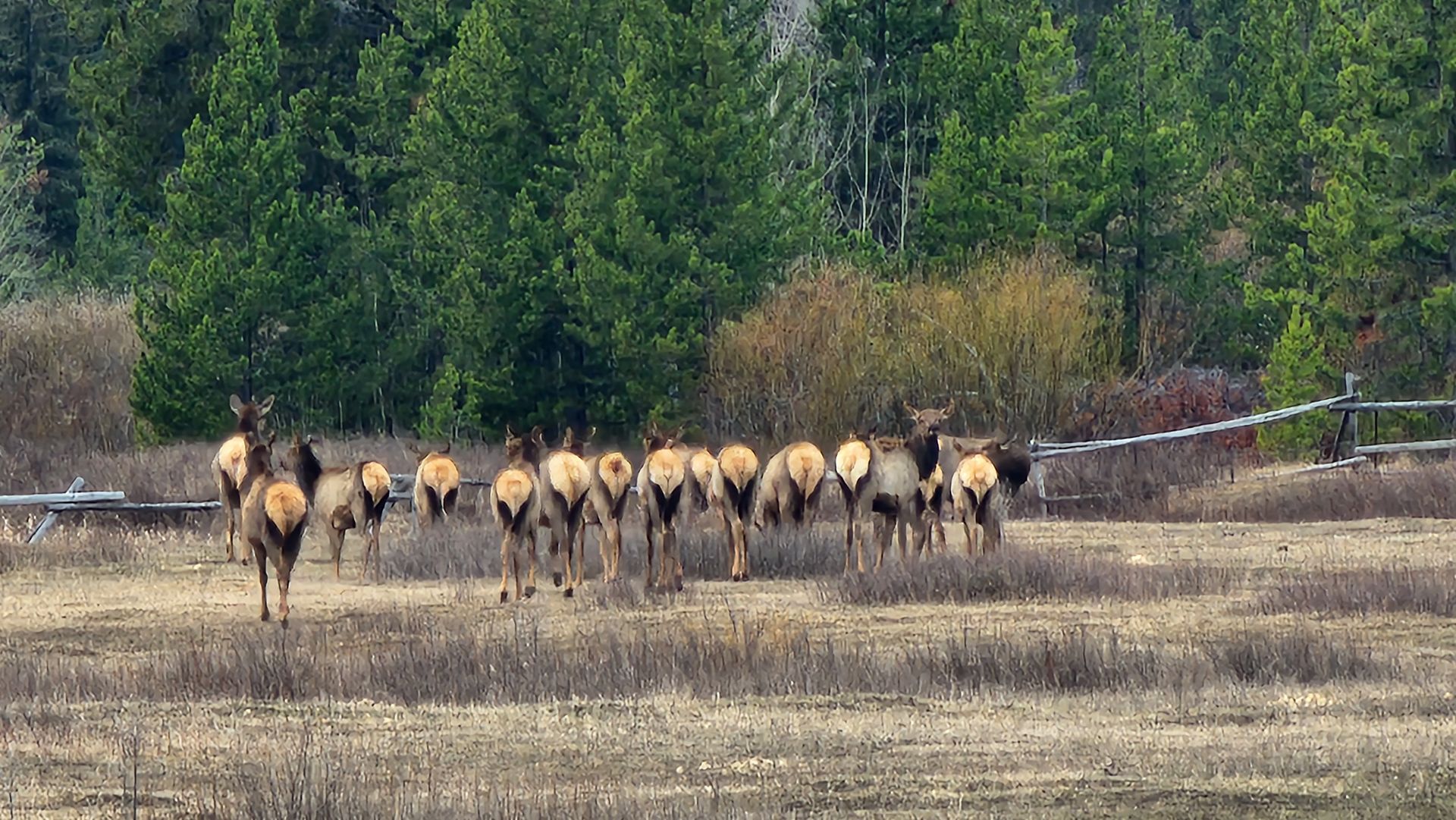
The Glacier National Park can be a pretty busy place during the summer months. That comment is the understatement of the year. But if you’ve got the time to take an early vacation this coming season, I would heartily mention that the Park is a wildlife bonanza in May and June. Put aside the plans to visit during the very busy months of mid-Summer. Try late April and the month of May when the Park begins to show off its wildlife. As the snow melts and bare areas of grass and vegetation on south facing slopes expose themselves to elk, deer, moose, and both species of bear, black and grizzly, there is a unique opportunity to take advantage of the Spring season while it’s quiet and watch the wildlife world come alive. For years I have emphasized to our guests and visitors that there is no season that even remotely matches the joy of wildlife sightings that are visible in the Spring. My suggestions would be to stay at our place for starters and watch the elk in our back pasture. They are there right now! Not only are there elk feeding on early grass but with some glassing on the meadows above us you are also putting yourself in a great position to see grizzly bears. Additionally, last night I not only saw elk feeding on Mendenhall Hill but as I watched them, I could hear a pair of sandhill cranes cackling although they were out of sight. Those big birds are on a migration north to as far away as the Canadian prairies. They are a unique bird and not always easy to see. By the way, while you’re waiting and watching for other species there are migrating Canadian geese making lots of noise as well. I’ve seen coyotes putting on their classic moves as they sneak up on nesting or migrating birds. That is a show of nature that you won’t see every day. Those sighting however, take a backstage when a lone grizzly or a sow with cubs make their showing later in the evening. They are a confident and dominating mammal that are somewhat easily seen if the effort is there. Set yourself up a good distance from the bears and use your binoculars to watch them and do keep your distance between yourselves and the bear. I assure you if you can put in the time from dawn to dusk and are beginning to identify good habitat you will see grizzlies. I can’t emphasize enough how visually plentiful and how much wildlife is viewable with the right combination of Spring, habitat, and time of day. Glacier National Park and the Beck property are two great places to start your hunt! The Park is well known for its grizzly population and the population of the bears is growing and expanding its territory. At no other time in the year are there more good opportunities to see these animals If you are interested in staying at Bear Creek Ranch, we are open during the month of May. You might want to join us on our Bed and Breakfast program and on your way home in the evening eat a healthy meal at one of several restaurants along the way. Feel free to call us at 406-226-4489 anytime. We have lovely cabins that are still available.
By Dustin Beck March 19, 2025
Spring Colors in Glacier Country, Montana
By Dustin Beck March 19, 2025
A Quick Guide to 5 fun days in and around Glacier Park
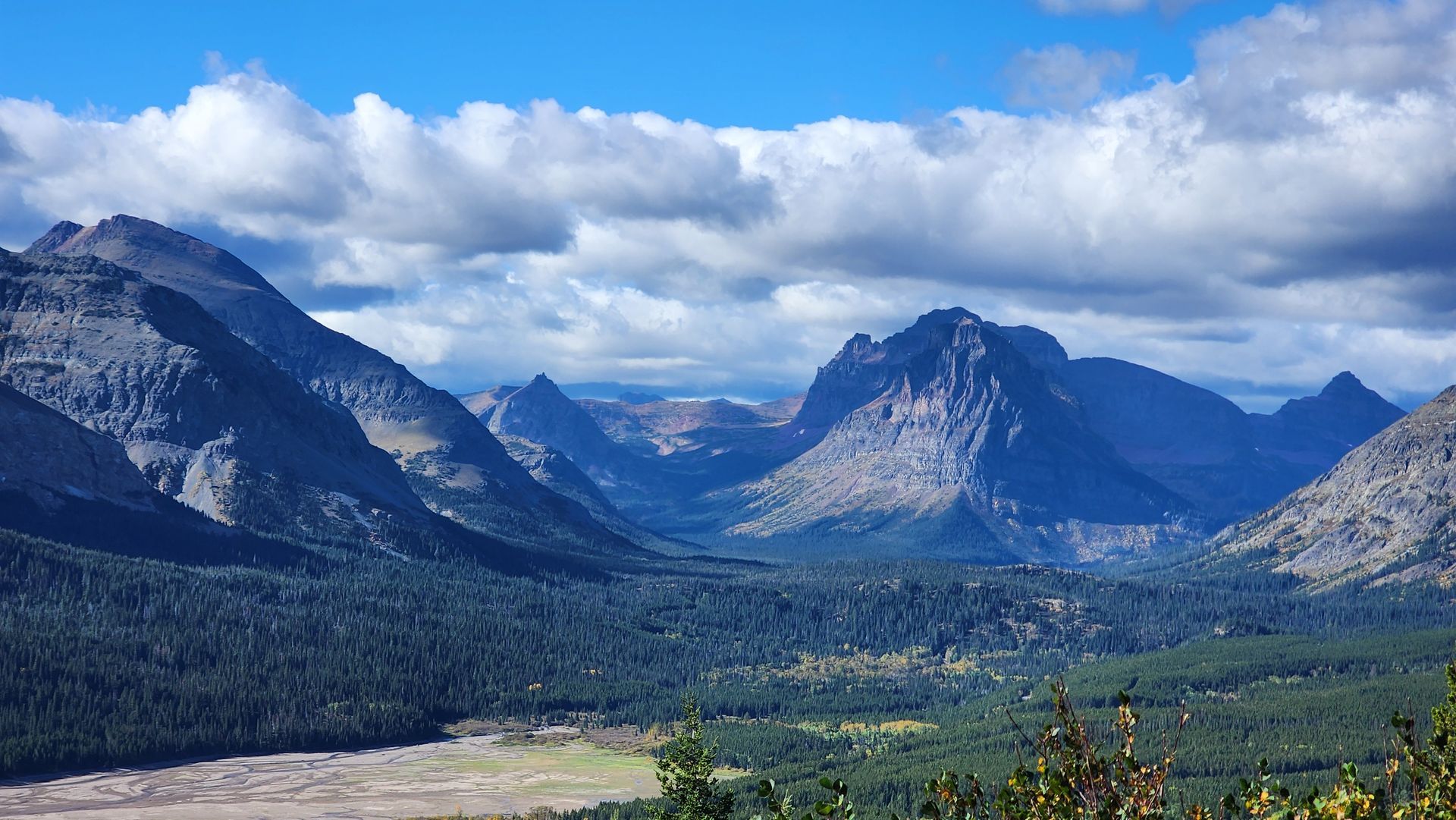
Two Medicine Valley
By Dustin Beck March 3, 2025
2025 Important Updates for Vehicle Entry East Side Glacier Park
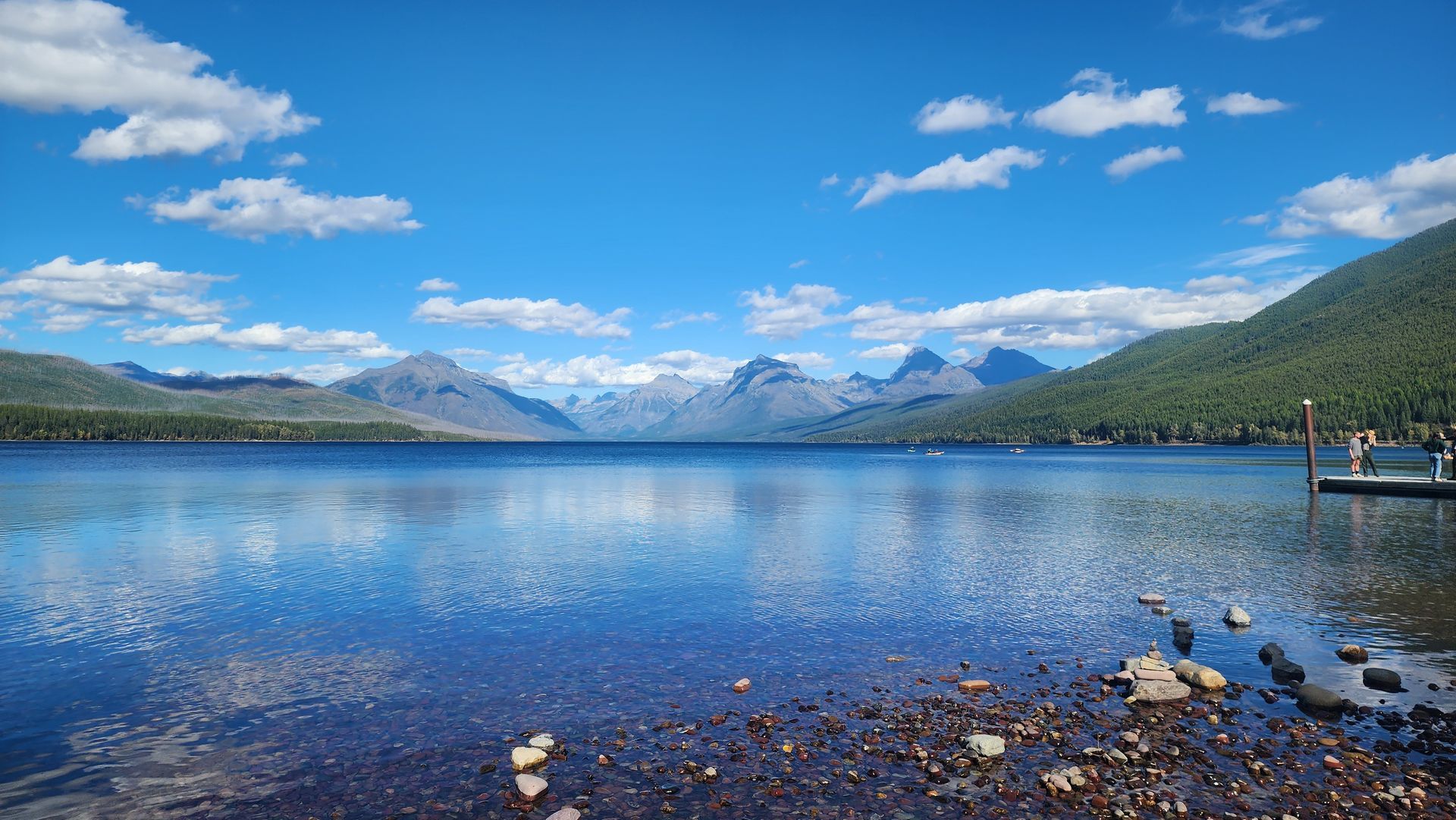
West shore of Lake McDonald at Apgar Village, West Glacier.
By Dustin Beck February 24, 2025
Timed Vehicle Entry for West Side of Glacier Park
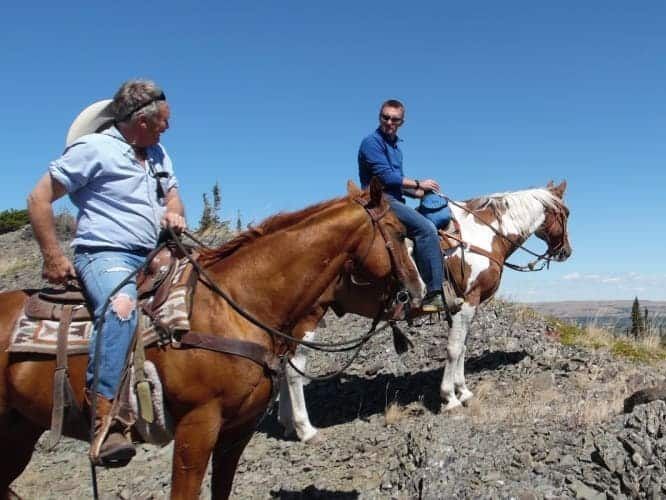
Two men are riding horses on a rocky hillside
December 14, 2020
I remember doing the radio show in the nineties. The Hi Line Sportsman it was called. I did an anti-environmental commentary for five to ten minutes a couple times a week. Back in those days I was a pissed off permittee of the Unites States Forest Cervix, and pissed off and pissed on I was. Truth be known, I did most of the pissing and in fairness to the whole deal I was, how should I put this, given a whole lot of latitude. But that was then and this is now although I do recall taking lots of shots at the University of Montana or as I not very fondly referred to it as "the school of nuts and raisins." Between the professional apparatus at the U pumping out up and coming bureaucrats into the system and my inability to survive as a servant of that mentally vacuous machine I lost the war. I still get pissed off thinking about that but time does have a way of softening past blows and things change. Like, here I am, in Missoula, Montana, a bunch of years later (doing graduate work) and it ain't as bad as I thought it might be. Granted, I'm not ensconced in the bowels of the school of natural resources every day listening to the drivel of the environmental aristocracy lecturing to their worshiping, brainwashed pupils. Thank God. Truth be known, I do have relapses of PTSD as I work my through the smattering of mare hippies waiting for their sushi and latte in the UC cafeteria. I can smell 'em a mile away. That said, I've mellowed, I can live with 'em, at a distance! I shudder to think they'll be part of that corporate natural resource intelligentsia, that part of which is still so foreign, and yes, repulsive to me. But, I've mellowed, changed. Nevertheless, the following are some thoughts on the whole matter and more. I'm still a huge fan of "Range" magazine, the bible of the American West. There isn't a day that goes by when an issue of some critical nature, whether it be wolves, climate change, private property rights, endangered species, etc. and although I may listen to any number of opinions myself, and even have a few, I ultimately lean back on the words of wisdom of "Range." "Range is an award winning quarterly devoted to the issues that threaten the American West, its people, lifestyles, lands, and wildlife. Range is a leading forum for opposing viewpoints in the search for solutions that will halt the depletion of a national resource- the American cowboy." Range is where I go to when I'm confused, angry, or even bitter. I can't look to books, lectures, and the pontification of professional intellectuals for wisdom. I look to the working men and women on the ground on the front lines. The search for true wisdom comes from the men or women who've battled in the trenches of real life on farms and ranches from coast to coast. Their stories are written on the pages of "Range" magazine every other month. I urge you to google them up and see for yourself. The wolf issue in the American West has died down quite a bit. I can recall the subject first getting broached with me at a meeting some Forest Service officials in the backcountry in the late 1980's. I think they thought I was of a new breed of cat, forward thinking, and probably amenable to the new world order of wolf reintroduction and recovery in the American West. That evening may have been the beginning of my undoing as a new, fresh faced permittee of the corporation. I'd only seen a few wolves up to that point in my entire life and it wasn't the wolf itself that initially ran shivers down my spine, it was the attendant flood of bureaucracy that I knew would follow. The wolf issue has always been as much about the role of an alien societal presence and role of government in our lives as it has been about just the presence of the wolf itself. That conflict still rages, even when it isn't making headlines. That's further reason why you should always go to bed with the "bible" of the American West on your nightstand. And back to the county and town of Missoula, Montana. Prior to my first school year in town I did have some apprehension about the liberal bias and makeup of the community, and certainly the university. My nervousness hasn't been justified by the experience I've had in "Zootown." With only some to be expected exceptions, living in and going to school in Missoula has been a pleasure. I've found the town to be a hardworking, middle class enclave surrounding a university that hasn't lived up to the wacky reputation I gave it. I'm all for good discussion and intelligent discourse on almost any issue and a university atmosphere is the perfect place for that. I've met quite a few students and professionals from every discipline the college has to offer and have yet to have a heated, unreasonable discussion with anyone. Missoula is growing at a reasonable rate, real estate prices seem to be in the norm, and trophy homes and gated communities haven't yet found fertile ground for germination. Yeah, there's always a rub. That lack of uber-wealth in Missoula and the surrounding area is a good thing. Take a look at Gallatin County and the town of Bozeman and you're staring at a phenomenon that is as much a threat to the quality of life in the American West as the advent of wolf generation was twenty years ago. It wasn't too many years ago and a ranch was worth what a ranch was worth. That is, it was worth the price of the buildings, the number of cows, and the amount of land. Oh to be sure, there were other items of value like water rights, hay meadows, road access, and the like. That's changed. Have you taken a look at the value of working ranches now, in 2015? Well, once they're sold, the majority of them won't be working ranches anymore. The working ranch and the families that have operated them for more than two centuries are slowly but surely disappearing, the casualties of the erosion of the family farm and ranch to the mega wealth of American society. I know that's a tough one to get your head wrapped around. Success has always been wrapped up in the American dream, work hard and get rich. I see that but I don't get it. The plain fact of the matter is that large farms and ranches are being bought up, fenced off, and taken out of production, In many cases, the owners become absentee landlords, hire a caretaker, and visit when the weather is good, the trout fishing is at it's peak, and the skiing is at its best. Now how in the hell does that square up with the very wisdom we were looking at when I started this rant? It doesn't. And all I can hope is that you get yourself a copy of Range magazine right now. Then get a subscription, and get a real job.
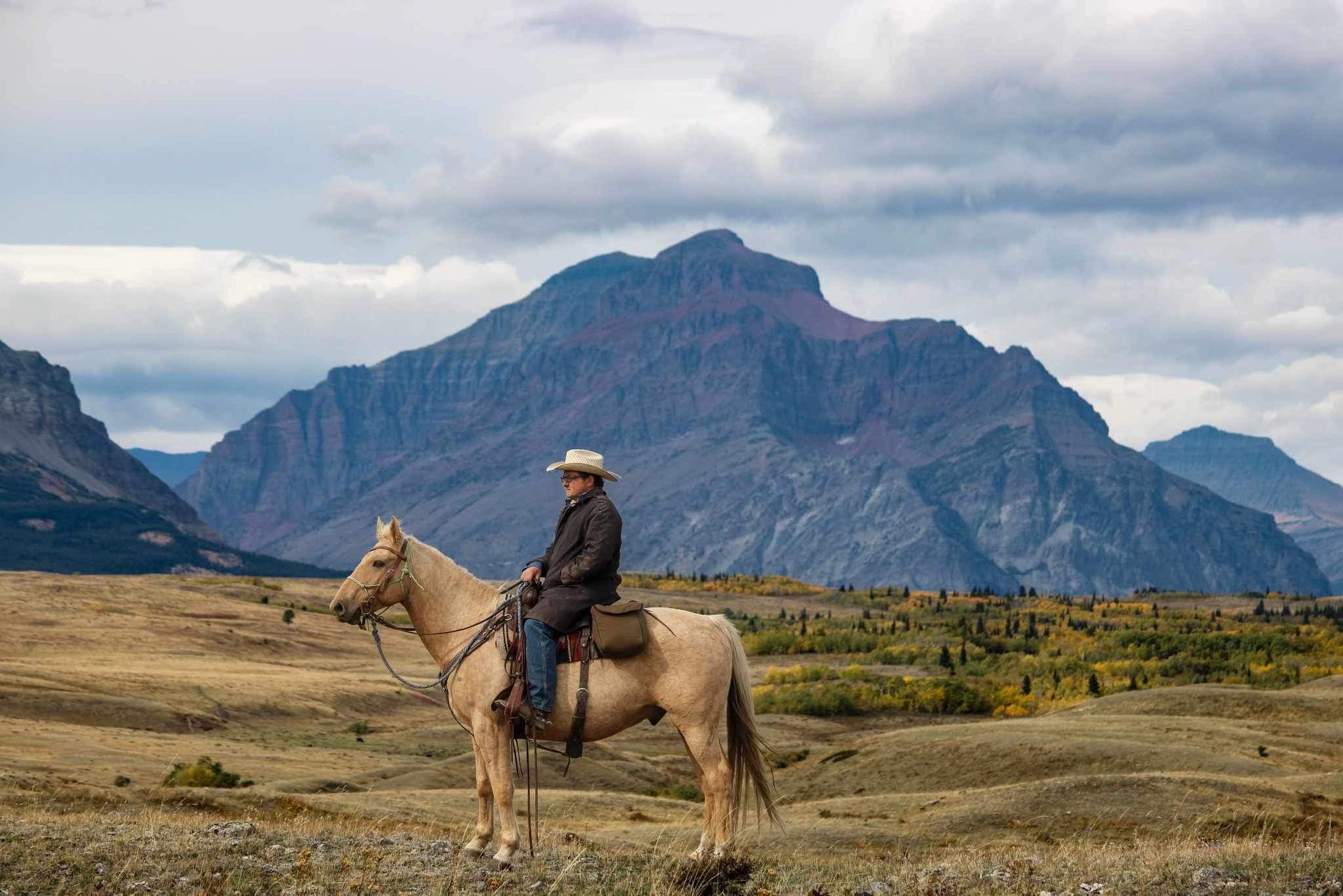
A brown horse is standing in a field of yellow flowers with mountains in the background.
September 17, 2020
North to Polar Bears, South to Old Mexico It's about time. A gallon of gas in Montana can be had for a buck 98 now. That's a helluva deal. Diana just got home from her annual winter trip to Aruba and filled up the Mercedes for less than a hundred bucks. That's about half of what we were paying for a tank of gas just this past summer. The price of gas is making everyone feel pretty good. More money to buy beer. When you think about it, a six pack of cheap beer, say Keystone for example, is about twice as expensive as a gallon of gas. That's cool. I always know there was a correlation between beer and gasoline. Makes perfect sense doesn't it? I doubt you're following my train of thought on the subject and you're probably wondering what the hell I'm talking about. Well, I'm not too sure myself but I'll give it a better go. Ready? Alright, so we're getting gasoline at the pump at prices we haven't seen since the last century. And we are feeling pretty good about that. We've got a few extra bucks lying around and the economy is picking up even more steam as we slowly but surely emerge from the recent economic slump. The price of oil has a lot of influence on the overall economic health of not only our economy and well being but as well on the international economic picture. Let's face it, on those levels, oil is the world's drug of choice. We get high when there's lots of it and go into withdrawal when it's scarce. For the time being, however, let's just assume that we're on a good roll that may last a while. Life is good at the pump. Keep on pumping. I know what happens when gas is cheap. Guess. We consume a hell of a lot more of it than we do when it's above three dollars a gallon. I've gone months without filling up my truck and forking over a hundred and fifty bucks at $3.89 s gallon. That's a chunk of change I don't always have handy. Now, hell, I won't think twice about filling up and heading down the highway for business or pleasure. I've got people and places I want to go see now that I can afford to. (And by the way, I was just pulling your drawers about Diana going to Aruba on holiday. She went to East Glacier to get the mail). The problem with that nifty scenario is that when gas is cheap and life is good we do act like a society of junkies. And you know what Neil Young said about that don't 'ya? "Every junkie's like a setting sun, (Needle and the Damage Done, 1970)." I may be acting a bit melodramatic at this point but I can't help but be thinking about Keystone Beer and Keystone Oil. Shouldn't the oil cost more than the beer? If we're tallkin' Michelob Ultra, or better yet, Moose Drool, our local favorite, I'd be drinking oil. There's the rub. We'll be consuming oil like it's a premier beer unless and until the price of oil goes back up to where it should be. I know, you're ready to kick my ass. Why in the hell do I want to see the price of oil to get high and stay high? Well, it's because many years ago I did one of the greatest hunts of my lifetime in the far northeast corner of Alberta, hard up against the Northwest Territories border and not far from Saskatchewan. That trip to the bush of Alberta was one of the highlights of my life. We hunted out of a small cabin on a remote lake, only reachable by float plane. And we were in the bush, as they say. There wasn't much in the way of civilization in front of us, in back, or to the side of us for hundreds of miles. I think Great Slave Lake was somewhere between us and the Arctic Circle. And when I sauntered off for a morning hunt I was pretty darned careful about checking my back track, not wanting to to be spending the winter holed up in a polar bear den. I hunted some of the most beautiful, primitive country I'd ever been in up to that point in my life. And to top that off, I killed a big bull moose that to this day hangs on the wall of our ranch house in Montana. The kicker to that story is that where I hunted that weekend in Alberta more than twenty years ago is where the oil for the Keystone Oil Pipeline is coming from. I'ts coming from the Alberta Tar Sands. I've thought on many occasions what that country might look like now and I don't want to imagine too hard. I'd imagine it doesn't look too much like it did back then. I've heard stories. I've not heard good stories about the exploration and extraction of the tar sands from that once pristine region up north. It breaks my heart. So how in the hell can I think good things about the most likely forthcoming construction of a pipeline from there to the Gulf Coast of Texas, carrying the oily residue of a scorched earth policy of strip mining the very country I walked on when I was young? I can't do it. From this point on in this writing I have a bad feeling that the more I write the more I'll be getting in over my head. The subject matter gets pretty complex from here on out so I'll keep it simple and have it said. Hey, I know we need oil, for our cars, trucks, industry, military, the whole enchilada. I know that. I also know, and so do you, that we need lots of big tracts of unspoiled country with lots of fresh air and water. We don't just want it, we need it (Jagger, Richards, 1975). We're beginning to experience a "going, going, gone kind of mentality that should be suited to a more primitive culture than what I'd like to believe we could be. I only have to think ahead a decade or two and don't like what I fear we might all see on this abused planet of ours. I don't want to pay three or four dollars a gallon for gas any more than you do. I also don't want to see that precious country that I hunted when I was young treated like a whore in old Mexico a century ago. Jobs. Oh yeah, that's the conundrum. They say there's thousands of jobs waiting for you, both in northern Alberta, and along the path the Keystone pipeline will traverse. Maybe and maybe not. I've heard both sides of that coin and for the record, low gas prices have already, right now and as we speak, slowed things down in the oil patch. So hold onto to that thought for a bit and in the meantime, if jobs or the lack thereof, are the thorn in the side of the most ardent supporters of Keystone XL Pipeline, why not get a little forward thinking and encourage an onslaught of research and development in massive wind and solar technology. Instead of "drill baby drill, (S. Palin)" we go to "build baby build, (W. Beck, 2021))." They both employ lots of labor and the money is good. Neither scenario is perfect and not without it's own respective good and poor points. But I'll bet you a case of Moose Drool beer that the environmental impact on this good earth of ours will be substantially improved if we can graduate to a more pragmatic way to move forward. I think the whole deal is a whole lot less complex than any of us want to recognize. I know, in my case, it doesn't take a whole lot of imagining of the landscape in the tar sands country then, when it was primitive, and in it's prime, and now, chewed up, and spit out, to know which way I want to see us go. So I've to to take it back to Neil, "I've seen the needle and damage done, a little part of it in everyone, but every junkie's like the setting sun, (N.Young, Needle and the Damage Done, 1970)." Here's to Keystone Beer, Here's to Keystone Oil, For what it's worth, " Let's drink to the Salt of the Earth, (Jagger, Richards, 1977)"